Things made of Lego, making autonomous payments


The Challenge
How can payments work in the world of the autonomous things and IoT devices? I took an early Smart Parking demo and turned it into a reusable ecosystem that supported Hackathons, innovation events, and developer outreach – all focussed on machine-to-machine payments.

My role
I led the design of the Worldpay Within SD, an embeddable payments agent for IoT that lets smart devices talk to each other, negotiate services, and make or receive payments.
I led and collaborated with a team of Innovation Analysts and developers, and then I created a programme of global hackathons which I organised, and presented at and mentored teams to build demo-able solutions utilising Worldpay Within.

Solution and impact
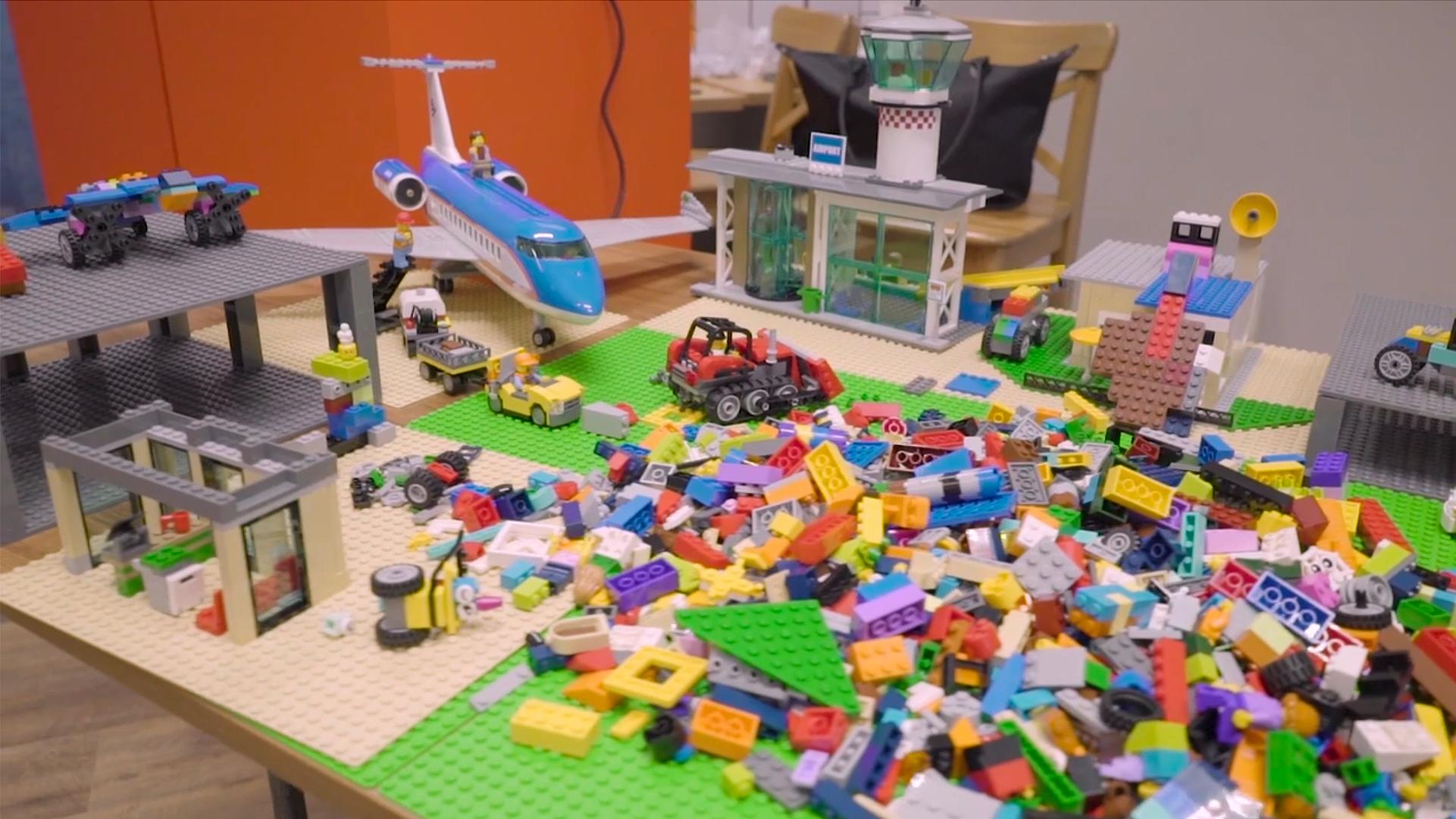
Developers learned how to eCommerce style payments into smart devices using various programming languages and hardware, whilst building playful prototypes using Lego, Raspberry Pi, and other components.
These events combined education and competition, participants experimented with connected cars, automated delivery concepts, Alexa integration, smart vending, all powered by device-to-device payments and a Discover-Select-Pay-Release autonomous flow, with a secure Trust Trigger to release services.

Depth of technology
Worldpay Within was implemented in Go with a Thrift based RPC layer that exposed SDKs for C#, Go, Java, Python and Node.js – this enabled a range of integration opportunities.
Deployed to Raspberry Pi, interacting with 3D printers, Lego robotics, breadboards, sensors, actuators, RFID/NFC scanners to showcase an architecture that allows autonomous devices to discover services, agree pricing, pay, and trigger a service or action.


